My goal is to better understand the neural context of human brain cancers in three-dimensions
I combine human stem-cell derived 3D models and patient tissues with functional, molecular and imaging tools to investigate how the neural microenvironment shapes brain tumor initiation, progression and therapeutic response
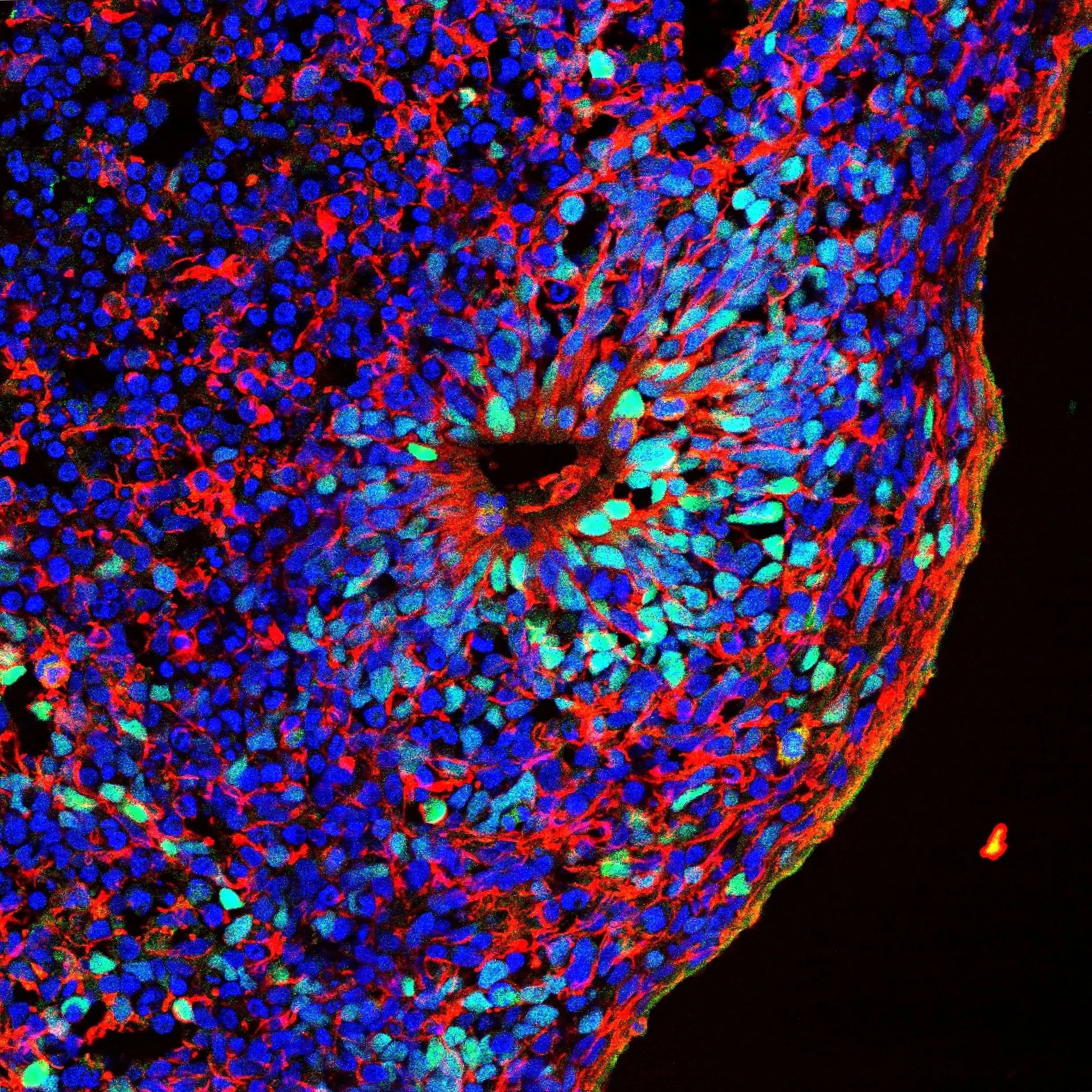
Cover Image: Cortical organoid stained for Pax6 (green) and Nestin (red)
ABOUT TARUN
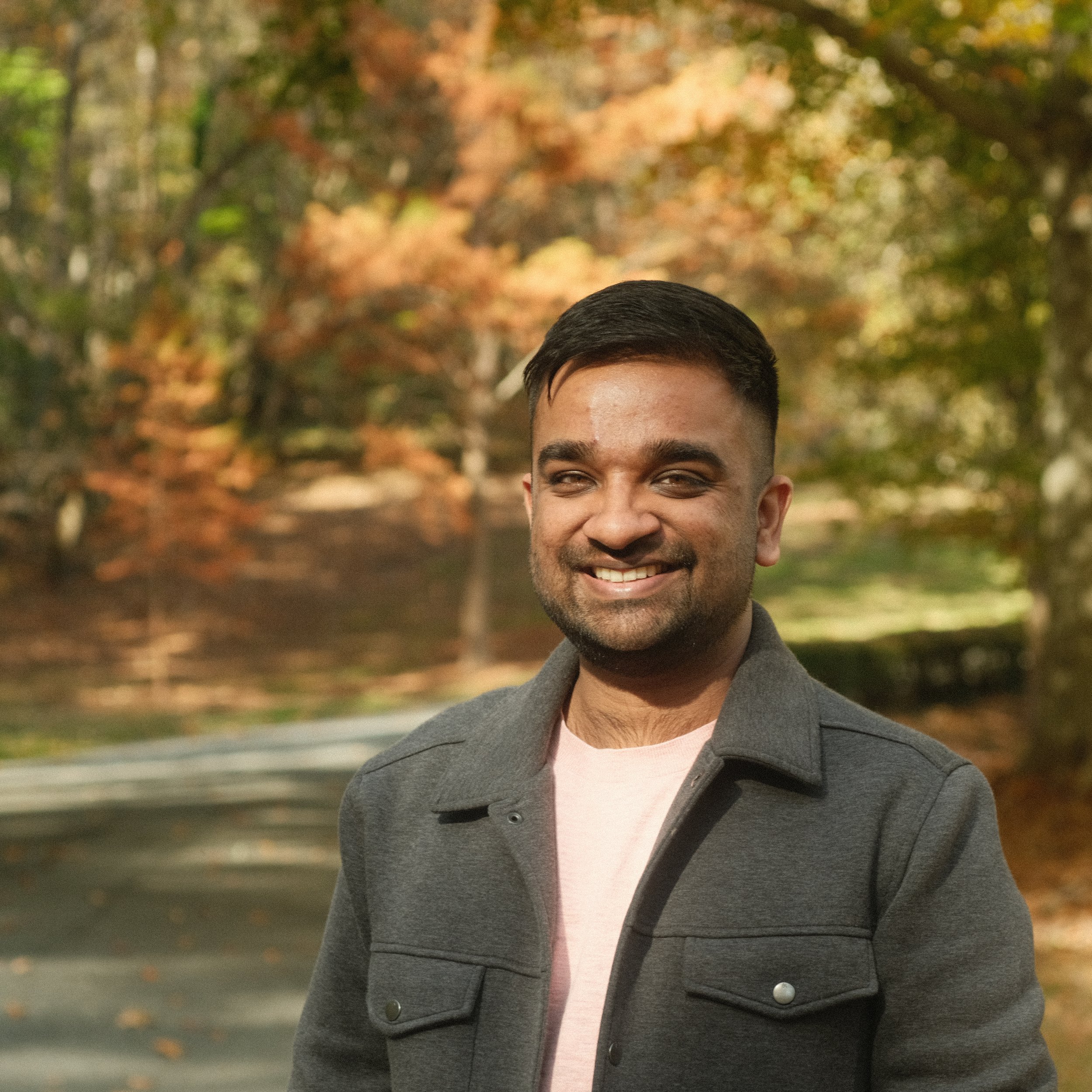
Tarun Bhatia is a neuroscientist and an American Cancer Society Postdoctoral Fellow in Steven Sloan’s lab at Emory University School of Medicine in Atlanta, GA.
Tarun received his PhD in Pharmacology in Rehana Leak's lab at Duquesne University in Pittsburgh, PA, where he examined the sex-specific effects of glial defenses in neurodegeneration. For his research, Tarun was awarded a Graduate Student Fellowship from the University of Pittsburgh's Center for Protein Conformational Diseases and he also received the Distinguished Dissertation Award from Duquesne University.
At Emory, Tarun’s research continues to center on glial biology, with a focus on the aggressive tumor, glioblastoma. His work broadly seeks to define the bidirectional crosstalk between glioblastoma tumor cells and the surrounding neural microenvironment.
Tarun works closely with the Emory Brain Organoid Hub, the Emory Department of Neurosurgery, and the newly-established Emory Winship Brain Tumor Center to obtain patient-derived tumor specimens from the operating room and engraft them into human iPSC-derived region-specific brain organoids and assembloids.
Tarun’s long-term goals are to use his human-in-human model of neural-tumor interactions to establish an independent research program at the intersection of neuroscience and oncology, contributing to the growing field of cancer neuroscience. Beyond science, Tarun enjoys writing, cooking, urban photography, exploring cities through public transit networks, discovering local coffee shops, and spending time with dogs whenever possible.