Publications
Selected Publications
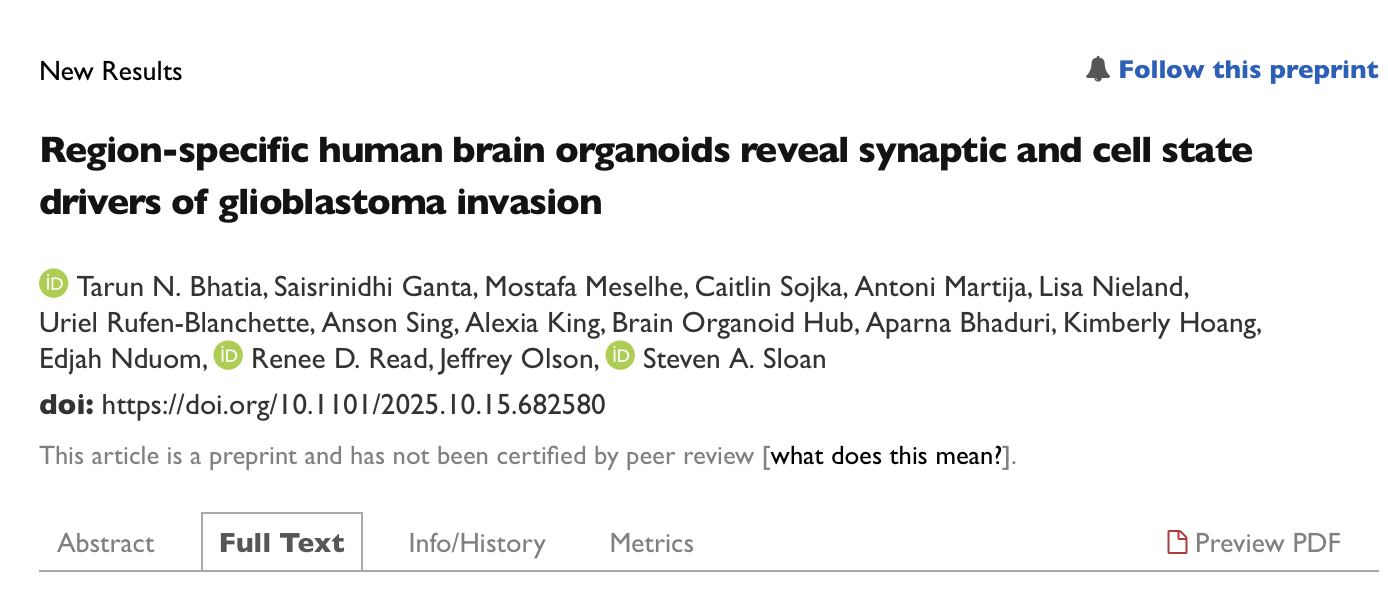
We developed a model to engraft patient derived glioblastoma cells into iPSC-derived forebrain, midbrain, and spinal cord organoids
Tumor cells were far more infiltrative in the forebrain than the spinal cord
We discovered that tumor cells consistently downregulated astrocyte-like programs and upregulated an NPC-neuron like program across all regional organoids
Tumor cells were preferentially engaging deep-layer excitatory neurons in the forebrain and inhibitory neurons in the spinal cord
Infiltration differences may thus be the consequence of the neuronal partners of gliomas rather than the tumor-intrinsic cell state
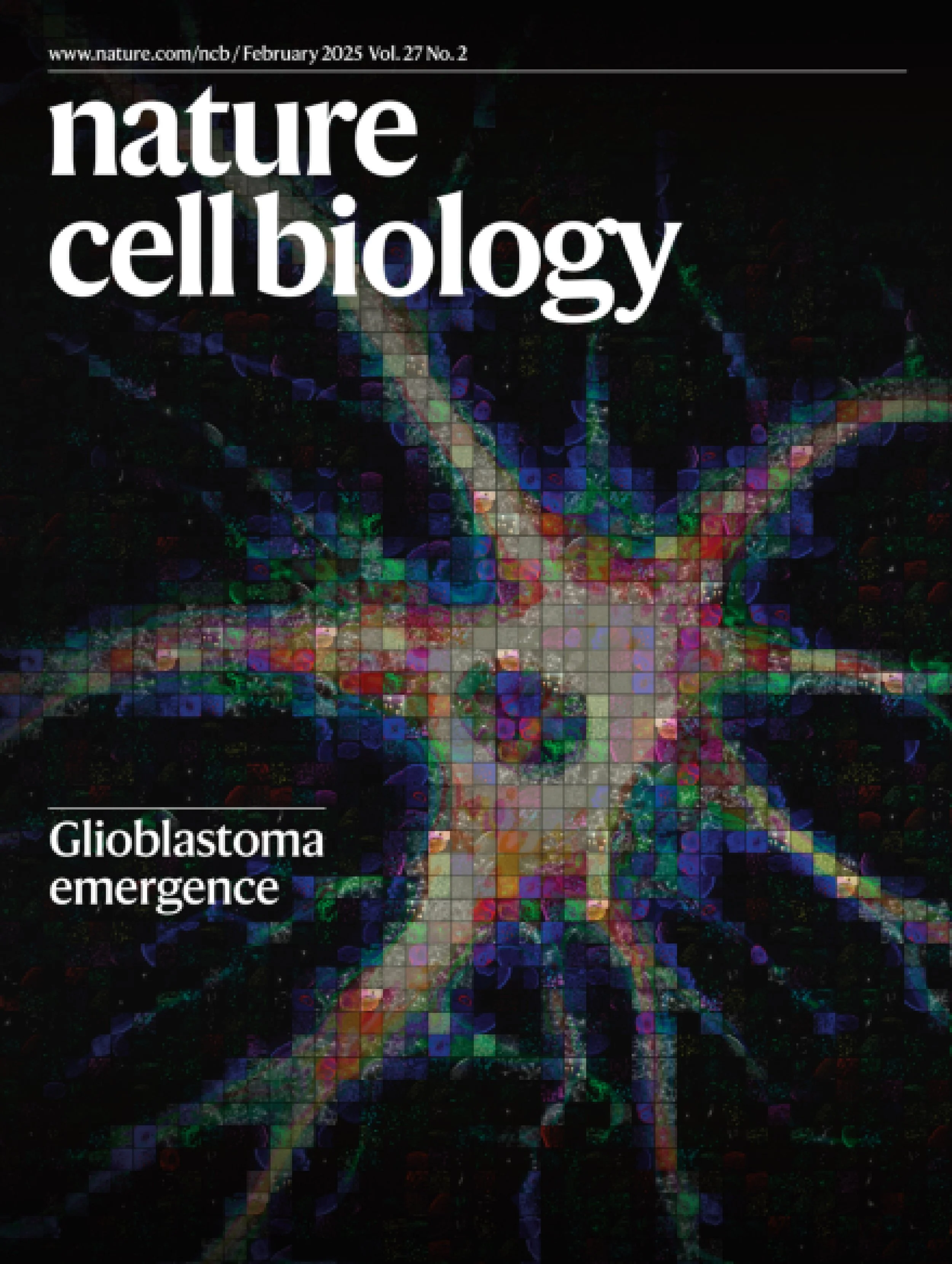
Sojka C, Wang HV, Bhatia TN, Li Y, Chopra P, Sing A, Voss A, King A, Wang F, Joseph K, Ravi VM, Olson J, Hoang K, Nduom E, Corces VG, Yao B, Sloan SA. Mapping the developmental trajectory of human astrocytes reveals divergence in glioblastoma. Nature Cell Biology. 2025 Feb;27(2):347-359.
Radenkovic S, Budhraja R, Klein-Gunnewiek T, King AT, Bhatia TN, Ligezka AN, Driesen K, Shah R, Ghesquière B, Pandey A, Kasri NN, Sloan SA, Morava E, Kozicz T. Neural and metabolic dysregulation in PMM2-deficient human in vitro neural models. Cell Reports. 2024 Mar 26;43(3):113883.
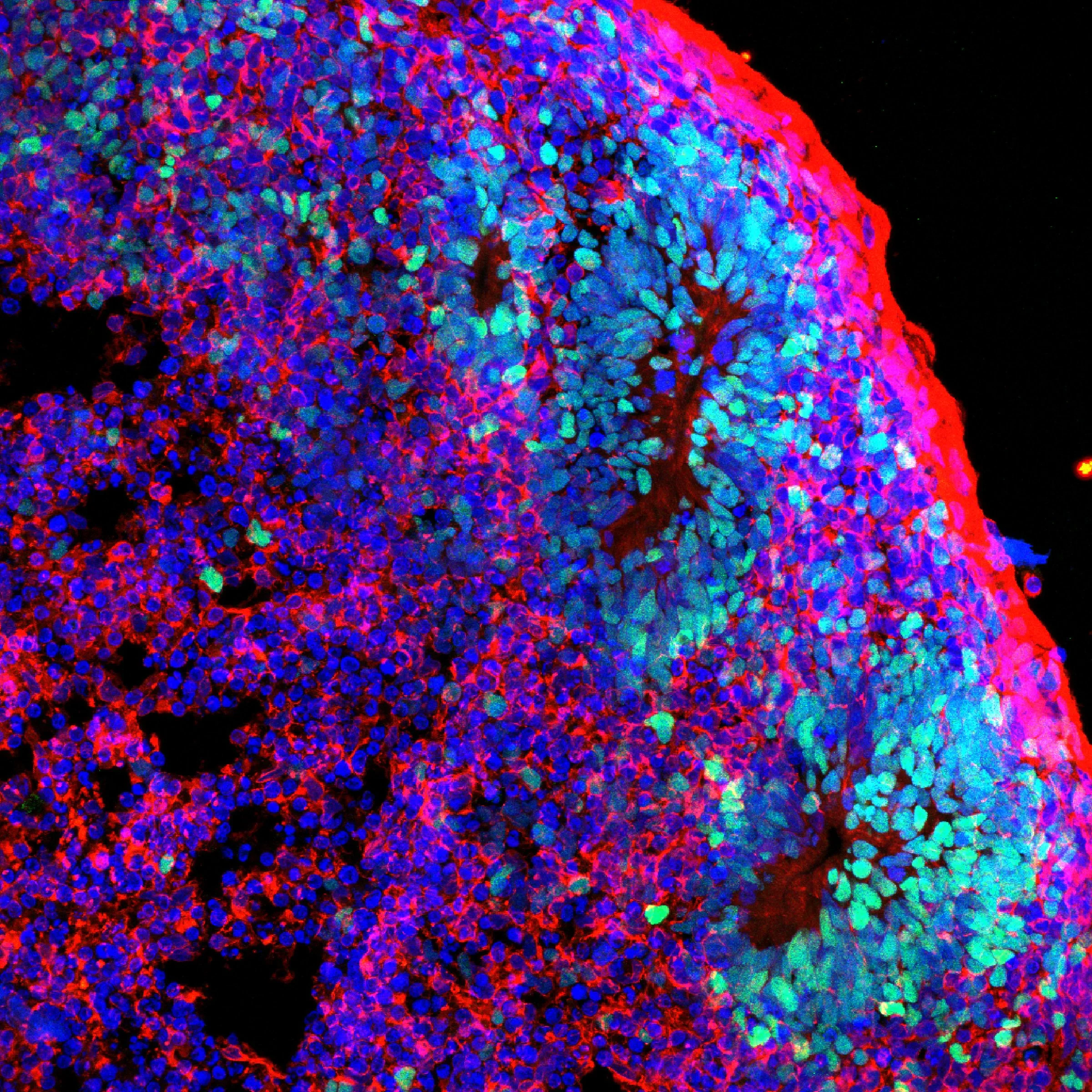
Voss AJ, Lanjewar SN, Sampson MM, King A, Hill EJ, Sing A, Sojka C, Bhatia TN, Spangle JM, Sloan SA. Identification of ligand-receptor pairs that drive human astrocyte development. Nat Neuroscience. 2023 Aug;26(8):1339-1351.
Editors’ Choice of Science Signaling: Volume 16 Issue 799: The gliogenic switch takes teamwork
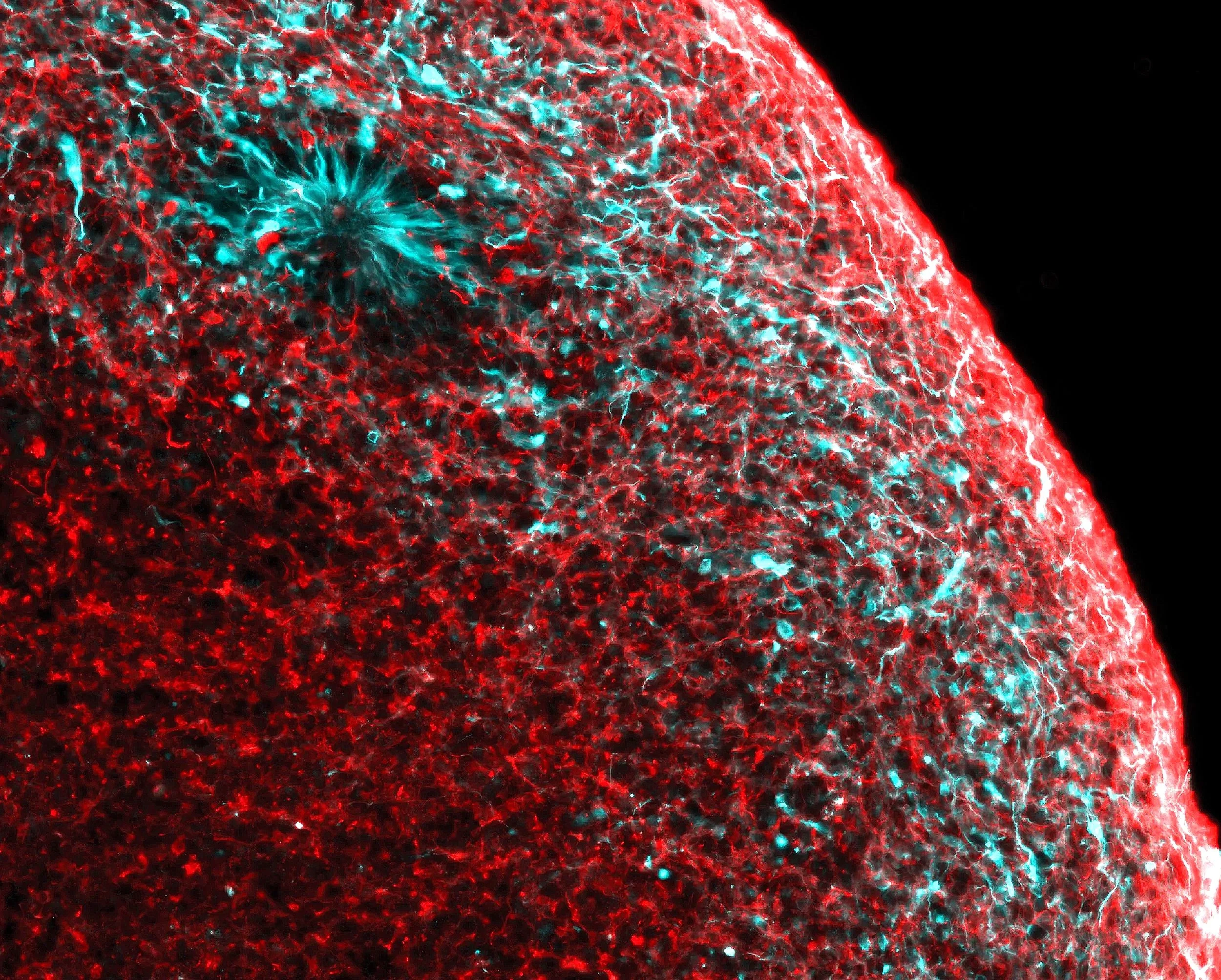
Bhatia TN, Jamenis AS, Abbas M, Clark RN, Miner KM, Chandwani MN, Kim RE, Hilinski W, O'Donnell LA, Luk KC, Shi Y, Hu X, Chen J, Brodsky JL, Leak RK. A 14-day pulse of PLX5622 modifies α-synucleinopathy in preformed fibril-infused aged mice of both sexes. Neurobiology of Disease. 2023 Aug;184:106196.
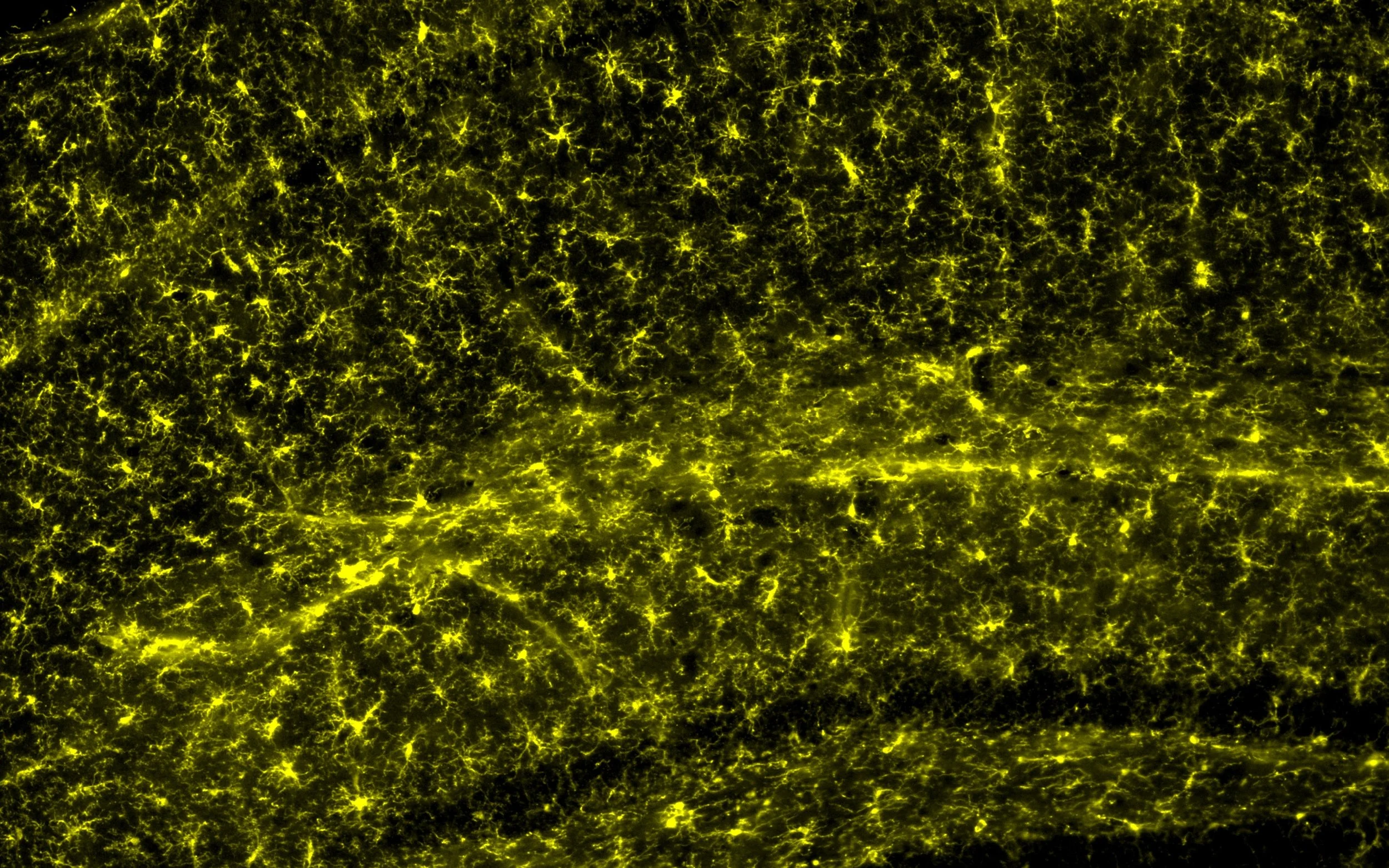
Miner KM, Jamenis AS, Bhatia TN, Clark RN, Abbas M, Luk KC, Leak RK. The variance in phosphorylated, insoluble ⍺-synuclein in humans, rats, and mice is not mainly driven by biological sex. Acta Neuropatholica. 2023 Oct;146(4):651-654.
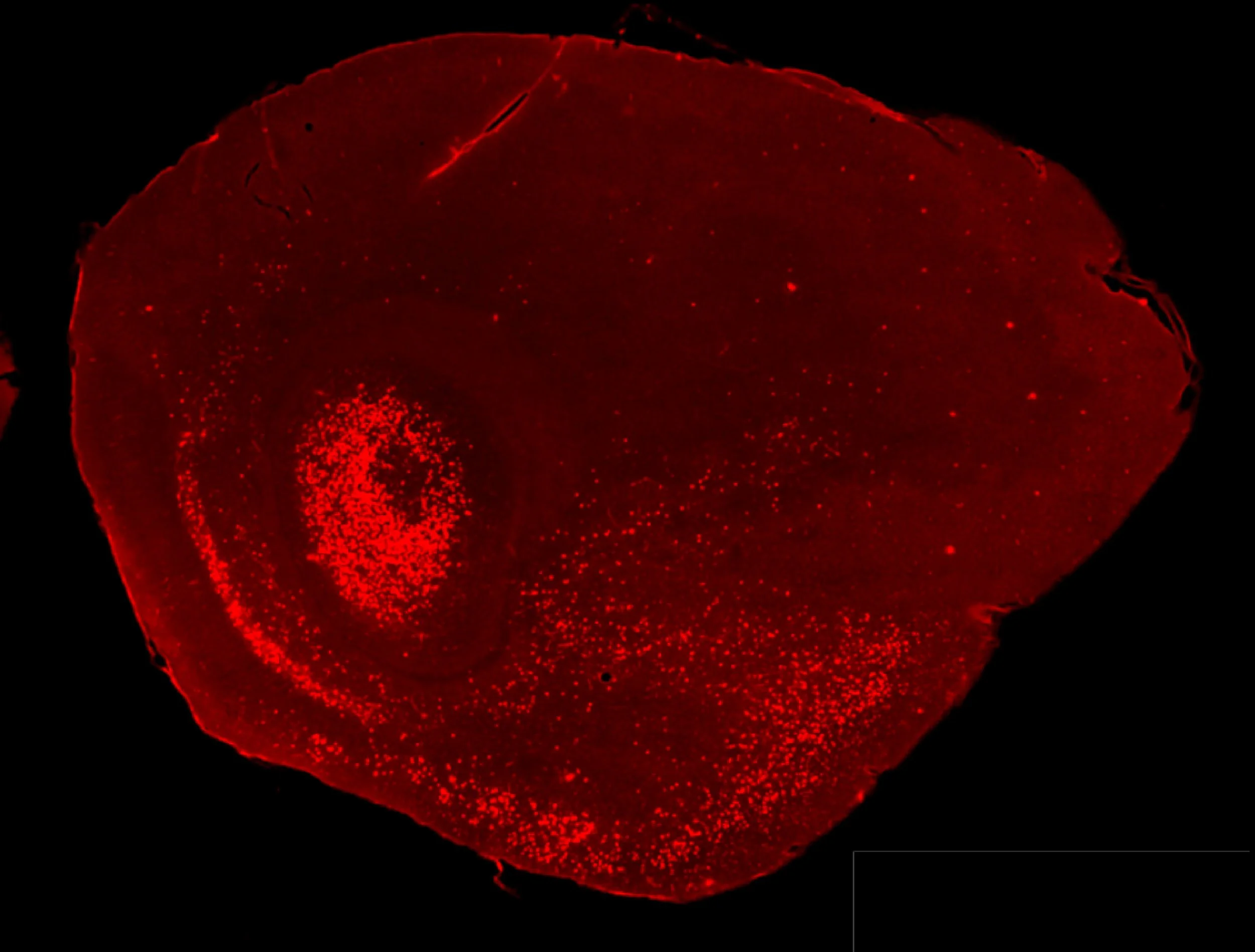
Miner KM, Jamenis AS, Bhatia TN, Clark RN, Rajasundaram D, Sauvaigo S, Mason DM, Posimo JM, Abraham N, DeMarco BA, Hu X, Stetler RA, Chen J, Sanders LH, Luk KC, Leak RK. α-synucleinopathy exerts sex-dimorphic effects on the multipurpose DNA repair/redox protein APE1 in mice and humans. Progress in Neurobiology. 2022 Sep;216:102307.
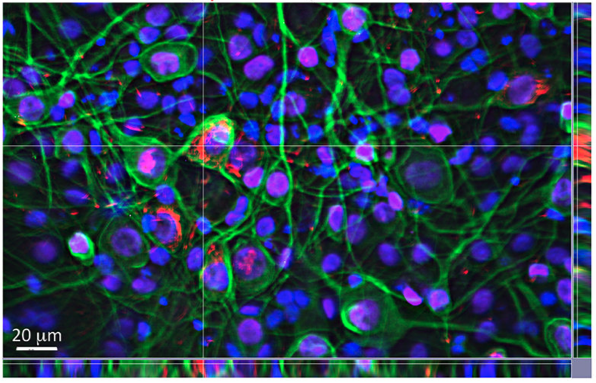
Bhatia TN, Clark RN, Needham PG, Miner KM, Jamenis AS, Eckhoff EA, Abraham N, Hu X, Wipf P, Luk KC, Brodsky JL, Leak RK. Heat Shock Protein 70 as a Sex-Skewed Regulator of α-Synucleinopathy. Neurotherapeutics. 2021 Oct;18(4):2541-2564.
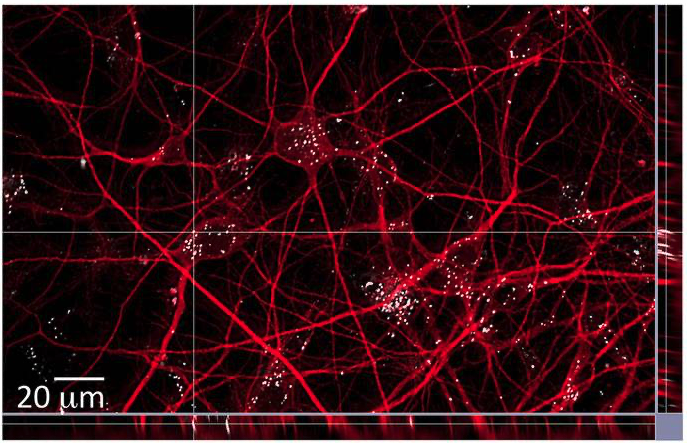
Mason DM, Wang Y, Bhatia TN, Miner KM, Trbojevic SA, Stolz JF, Luk KC, Leak RK. The center of olfactory bulb-seeded α-synucleinopathy is the limbic system and the ensuing pathology is higher in male than in female mice. Brain Pathology. 2019 Nov;29(6):741-770.
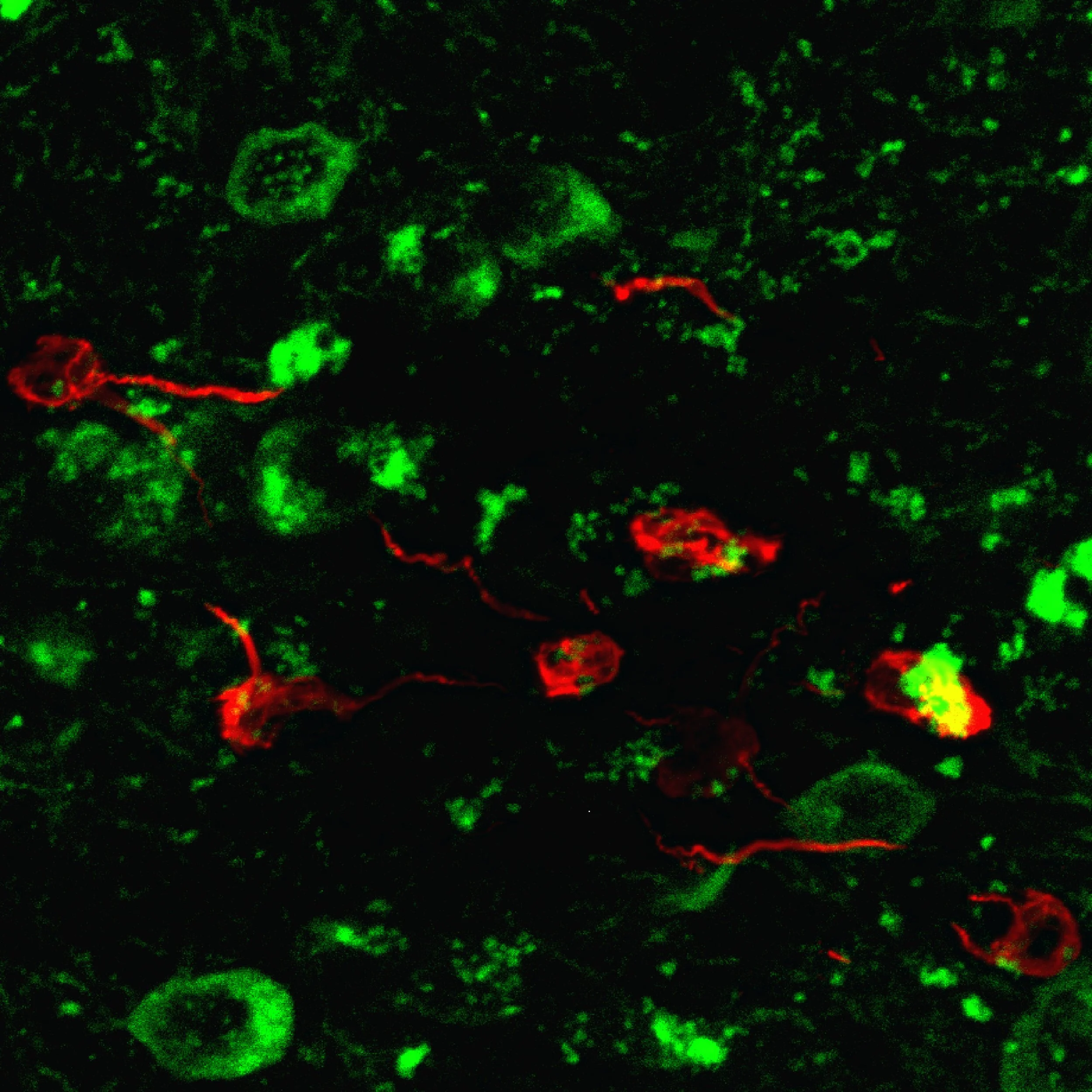
Bhatia TN, Pant DB, Eckhoff EA, Gongaware RN, Do T, Hutchison DF, Gleixner AM, Leak RK. Astrocytes Do Not Forfeit Their Neuroprotective Roles After Surviving Intense Oxidative Stress. Frontiers of Molecular Neurosciences. 2019 Apr 5;12:87.